Plus Size and Big and Tall Sizes Explained: Charts and How to Measure
How plus sizes, big sizes and tall sizes differ, what the labels mean from 1X to 6X and XLT to 4XLT, and how to measure yourself or a garment before you order.
- Updated
- Read
- 5 min
- Method
- How we research
We earn from qualifying purchases through links on this page. How we make money.
Plus sizes are women’s sizes from 1X or 14W up, cut for a plus figure type. Big sizes add width to men’s clothing, tall sizes add length, and labels like 3XLT add both. No federal labeling rule fixes what a size means, so measure your bust or chest, waist and hip in inches, and compare them with each seller’s chart.
This section explains the labels you will meet on this site and how to measure before you order. Pick the question you have.

How do plus, big and tall sizes differ?
| Label | Who it is for | What changes | Example labels |
|---|---|---|---|
| Plus | Women | Proportions for a plus figure type | 1X to 6X, 14W to 32W |
| Big | Men | More room in neck, chest, waist, hip | XL to 6XL, 1XB to 6XB |
| Tall | Men | More length in torso, arms, legs | LT, XLT, 2XT to 5XT |
| Big tall | Men | Both width and length | 2XLT, 3XLT, 4XLT |
Plus is a figure type, not a bigger misses size. ASTM publishes separate body measurement tables for the misses figure type (sizes 00 to 20) and the plus women’s figure type (14W to 40W). Designers use them as a baseline, then make their own choices about ease and fit. That is why a 1X and an XL can fit differently even when the bust number on the chart looks close; our 1X page goes into it.
Big and tall are two directions. Kiwi Sizing describes big sizes as made for a larger neck, shoulders, chest, waist and hips, and tall sizes as having more length in the torso, arms and legs. Westport’s chart shows it plainly: 3XB and 3XT share a 54 to 56 inch chest, but the tall shirt has a 38/39 inch sleeve and the big shirt a 34/35 inch sleeve. The XLT page explains every tall label.
Why does the same size fit differently at each brand?
Because nobody sets the numbers for them. The FTC’s textile labeling guide lists what a label must show (fiber content, country of origin and the maker or seller), and size is not on that list. Brands draw their own charts. Nike, for example, lists its 1X for a 45 to 49 inch bust and a 46 to 50 inch hip. Another brand’s 1X can start lower or higher.
Patriotic clothing makes this harder, since many flag tees and dresses come from small print shops using blank garments from different makers. The fix is the same every time: ignore the letter, read the inches.
How do you measure yourself?
Use a soft tape measure and keep it level and snug, not tight.
- Bust or chest: around the fullest part, under the arms.
- Waist: around your natural waist, or where you wear your pants if the chart says so.
- Hip: around the fullest part of the hips and seat.
- Height and torso: for dresses, tall shirts and one-piece swimsuits.
Measure a garment you already own
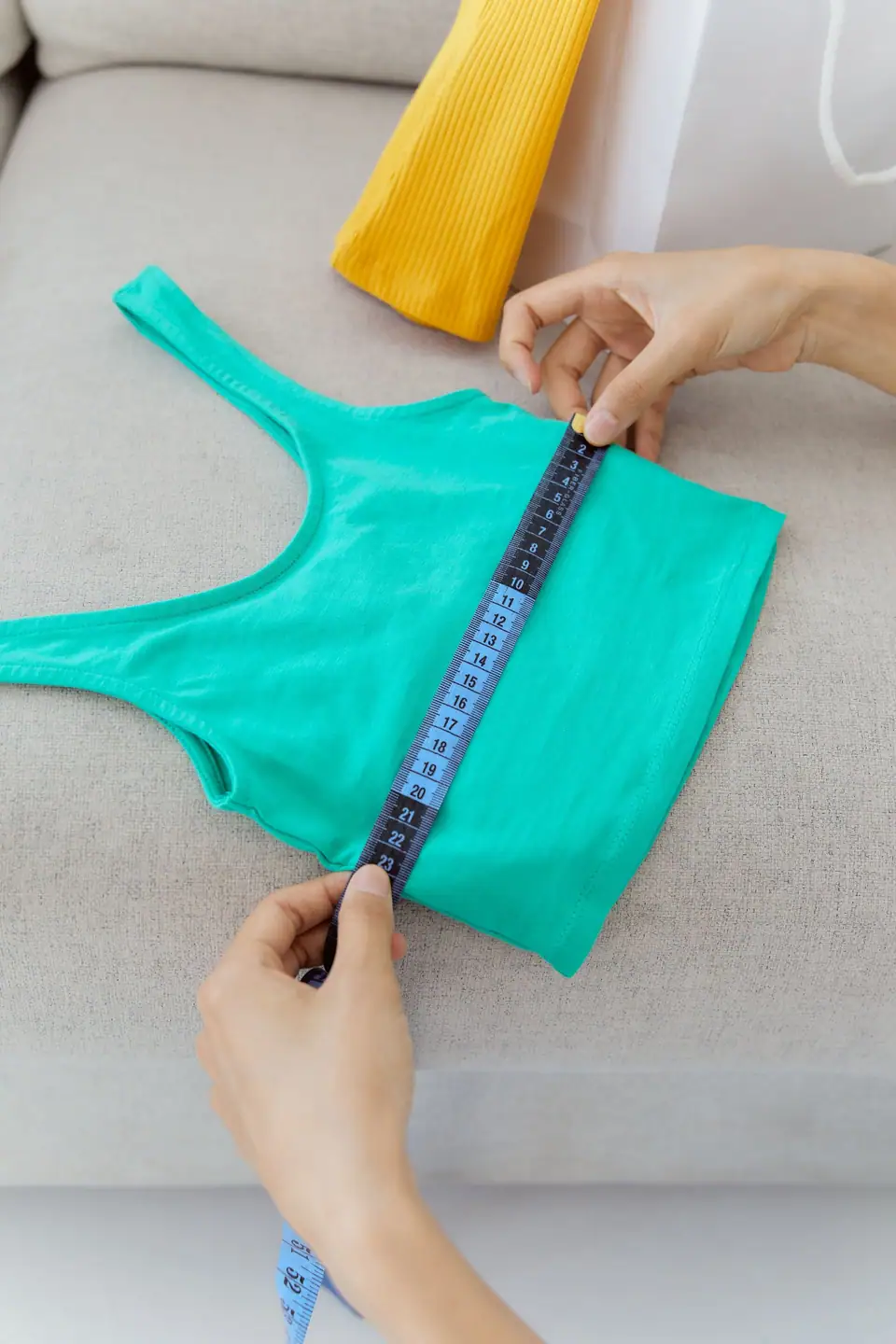
When a chart lists garment measurements, lay a top that fits you flat. Measure across the chest from armpit to armpit and double it, then measure from the top of the shoulder to the hem. For pants and shorts, measure the waistband flat and double it, and measure the inseam. Compare those numbers with the chart, and keep them in your phone for next time.
Once you know your numbers, shopping gets quicker. These are the two most common patriotic pieces on the site in extended sizes:
Plus-size 4th of July tops, 1X and up
Live listings, shown by eBay
Opens eBay in a new tab. Check condition, seller feedback and returns.
For men, the same rule applies to flag tees: match your chest in inches to the listing, and choose a tall size if regular shirts end above your belt. Big and tall tees are sold from 3XL up, and tall versions such as 3XLT and 4XLT add body length for the same chest.
Big and tall American flag tees, 3XL and up
Live listings, shown by eBay
Opens eBay in a new tab. Check condition, seller feedback and returns.
What do the letters and numbers on a tag mean?
A quick decoder for the labels you will see on this site:
- W after a number (18W, 22W): a women’s plus size. ASTM’s plus tables run from 14W to 40W.
- X after a number (1X, 2X, 3X): a women’s plus letter size. 0X, where a brand uses it, is the step between straight and plus sizes.
- XL, 2XL, 3XL and up: men’s or unisex sizes that add width. Some big and tall stores write these as 1XB, 2XB and so on.
- T after the size (LT, XLT, 3XLT, 3XT): tall, meaning extra length in the body and sleeves.
- Unisex: one cut sold to everyone, so a women’s 2X and a unisex 2XL are not the same garment; check the chest in inches rather than assuming.
Write your own measurements and usual sizes in a note on your phone, with the brands that fit. It saves measuring again every season.
What if you are between sizes?
For stretchy knits such as tees and leggings, your usual size is a sensible start. For woven fabrics with no stretch, such as button-downs and some dresses, the size that fits your largest measurement is the safer choice. Read the fiber line: spandex or elastane in the blend means some give.
Buying for someone else?
Measure a favorite shirt of theirs while it is in the laundry, or choose pieces that fit a wider range, such as kimonos, cardigans, hoodies and caps with a stretch band. The gifts page sorts ideas by interest and size risk.
Frequently asked questions
What is the difference between plus size and big and tall?
Plus size usually describes women's clothing from 1X or 14W up, cut for a plus figure type. Big and tall describes men's clothing: big sizes add width, tall sizes add length, and big tall sizes such as 3XLT add both.
Is there one official size chart in the US?
No. ASTM publishes body measurement tables that designers can use as a baseline, but brands set their own charts. The FTC's labeling rules cover fiber content, country of origin and the maker's identity, not size.
Should I use body measurements or garment measurements?
Use whichever the seller's chart lists. Body charts give bust, waist and hip; garment charts give the shirt or dress laid flat. For a garment chart, measure a piece you own that fits well.
What does W mean in a size like 18W?
W marks a women's plus size. ASTM's plus women's tables run from 14W to 40W, and many brands print both the W number and a letter size such as 1X.
Sources
- D6960/D6960M Standard Tables for Body Measurements for Plus Women's Figure Type, Size Range 14W to 40WASTM International
- D5585 Standard Tables of Body Measurements for Adult Female Misses Figure Type, Size Range 00 to 20ASTM International
- Big and Tall Size Charts ExplainedKiwi Sizing
- Size & Fit ChartWestport Big & Tall
- Women's Plus Size (1X to 3X) size chartNike
- Threading Your Way Through the Labeling Requirements Under the Textile and Wool ActsFederal Trade Commission